3D Layered Mom: A Creative Design for Home and Gifting
In a world dominated by flat digital screens and mass-produced decor, there is a distinct lack of tactile, dimensional art that captures genuine emotion. Enter the 3D Layered Mom, a versatile design concept that transforms simple materials into stunning visual narratives. This isn't just another craft project; it is a sophisticated approach to storytelling through depth, allowing creators to build multi-dimensional representations of the most important figure in many lives.
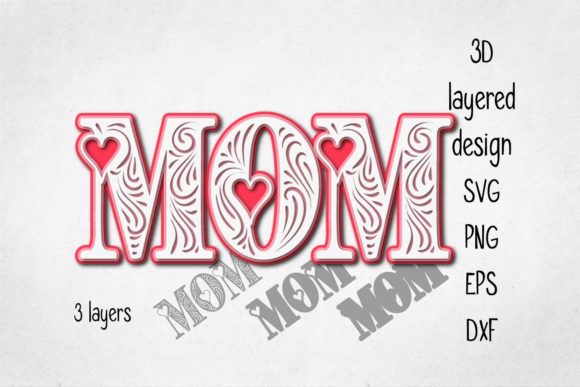
The core philosophy behind this design lies in its modularity. Unlike traditional cut files that require you to use every single element, the 3D Layered Mom offers the freedom to assemble all layers for a grand, complex statement or to isolate just one or two specific sections for a minimalist aesthetic. This flexibility makes it an invaluable asset for professionals and hobbyists alike who need to adapt their output to different contexts, from high-end interior design installations to quick, heartfelt gifts.
Unpacking the Design Architecture
At its heart, the 3D Layered Mom design relies on the principle of parallax and depth perception. By stacking separate elements—whether they represent facial features, hair, clothing, or symbolic objects—you create a tangible sense of volume that flat graphics simply cannot achieve. The design is engineered with scalability in mind, featuring a base size of over 8 inches (20 cm) at its widest point. This substantial footprint ensures that details remain crisp and visible, which is crucial when the piece serves as a focal point in a room.
However, scale is a double-edged sword. When reducing the design for smaller applications, you must exercise caution. The intricate thin elements that give the layered effect its character can become fragile or indistinguishable if shrunk too far. For this reason, this design is best utilized for medium-to-large projects where the structural integrity of the material can support the delicate cuts required for the layering effect.
Material Versatility and Selection
One of the strongest attributes of the 3D Layered Mom is its compatibility with a wide range of substrates. While card stock is the standard choice for paper crafts due to its ease of cutting and ability to hold shape, the design shines equally well in more durable mediums. Wood, plywood, and MDF (Medium Density Fiberboard) offer a rustic, sturdy appeal perfect for wall decor that needs to withstand the test of time. Plastic provides a modern, sleek finish suitable for contemporary interiors, while acrylics can add a touch of elegance with their translucency.
Choosing the right material often depends on the intended environment. For outdoor display, weather-resistant plastics or treated woods are essential. For indoor home decor, softer materials like card stock or thin wood veneers allow for easier manipulation and a warmer feel. The key is to match the material's thickness to the complexity of the layers; thicker materials provide better separation between layers but may require stronger adhesives to maintain the 3D structure.
Practical Applications Across Sectors
The utility of the 3D Layered Mom extends far beyond simple decoration. Its modular nature allows it to serve diverse functions across personal, professional, and educational landscapes.
- Home Decor and Interior Design: In residential settings, this design acts as a powerful conversation starter. By selecting specific color combinations, homeowners can match the artwork to existing furniture palettes. A monochromatic version might suit a modern living room, while a vibrant, multi-colored assembly could brighten a nursery or playroom. The ability to use only select layers allows for subtle accents rather than overwhelming statements.
- Gift Giving and Personalization: As a gift, the 3D Layered Mom carries significant emotional weight. It represents time, effort, and thoughtfulness. For entrepreneurs selling handmade goods, offering customizable versions of this design can be a unique value proposition. Clients can choose colors that reflect the recipient's personality or favorite hues, making the gift deeply personal.
- Educational and Professional Tools: Educators can utilize these designs to teach concepts of geometry, depth perception, and material properties. In marketing and branding, the design can be adapted for trade show displays or office lobbies to convey a message of care and community. The visual impact of a layered image draws the eye more effectively than flat signage, increasing engagement rates in high-traffic areas.
Color Theory and Customization
The design invites experimentation with color theory. You are not limited to the default palette provided in the file. Whether you opt for a classic black-and-white contrast to emphasize form, or a pastel gradient to evoke softness, the possibilities are endless. The recommendation to mix and match colors allows for dynamic visual interest. For instance, using a dark wood for the background layers and light wood for the foreground creates a natural, organic look, whereas painting each layer a different neon color results in a pop-art aesthetic.
Technical Specifications and Workflow
To ensure a seamless creation process, the package includes a comprehensive ZIP folder containing four distinct file formats, catering to various software ecosystems and machine capabilities. This diversity ensures that whether you are a user of Silhouette Studio, Cricut Design Space, Adobe Illustrator, or AutoCAD, you will find a compatible format.
- SVG File: Scalable Vector Graphics are ideal for vector-based software. This file contains all layers grouped logically, allowing for easy editing, resizing, and color assignment before cutting.
- PNG File: Provided at 300 dpi with a transparent background, this raster format is perfect for visualization, printing on canvas, or using as a reference guide during the assembly process.
- EPS File: Essential for professional graphic designers working in Adobe Creative Cloud. The EPS format preserves vector data and layer information, ensuring high-quality output for commercial printing.
- DXF File: Widely used in CAD software and compatible with many laser cutters and CNC machines. This format is crucial for industrial production or precise engineering applications.
Before beginning your project, verify that your machine supports the chosen file format. While most modern cutters handle SVG and DXF natively, older models might require conversion. Always perform a test cut on scrap material to check the blade depth and pressure settings, especially when working with thicker materials like MDF or plywood.
Implementation Best Practices
Success with the 3D Layered Mom design hinges on preparation and precision. Start by organizing your workspace and laying out your materials. If you plan to paint the pieces, do so before assembly to avoid damaging the adhesive bonds later. When assembling the layers, consider using foam tape or small spacers between sections to enhance the 3D effect. This physical gap amplifies the shadow play, making the design appear even more dynamic under lighting.
Remember that the design is scalable, but the ratio of detail to size matters. If you decide to resize the artwork for a specific application, ensure that the thinnest elements remain thick enough to be cut cleanly and assembled without breaking. Compromising on this aspect can lead to frustration and wasted materials. By respecting the structural limits of the design, you guarantee a finished product that is both beautiful and durable.
Ultimately, the 3D Layered Mom is more than a set of lines and curves; it is a framework for creativity. It empowers users to express love, appreciation, and artistic vision through a medium that combines technical skill with emotional resonance. Whether you are building a custom wall feature for your home or creating a unique gift for a loved one, this design provides the tools to turn a simple idea into a lasting memory.