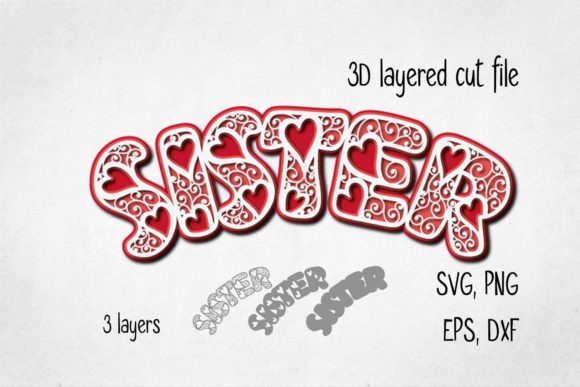
Unlocking Creative Potential with the 3D Layered Sister Cut File
The landscape of digital crafting and personalized design has evolved significantly, moving beyond simple flat graphics to immersive, multi-dimensional experiences. At the forefront of this shift is the 3D Layered Sister Cut File, a versatile digital asset designed to bridge the gap between digital precision and tactile artistry. This unique file format allows creators to construct depth and dimension through a series of stacked components, transforming flat designs into dynamic sculptures that interact with light and shadow.
Unlike traditional vector files that result in two-dimensional cutouts, this layered approach introduces a third axis: height. By separating the design into distinct strata, users gain the freedom to manipulate spacing, color, and material for each individual layer. This capability opens a vast array of possibilities for home decor enthusiasts, professional designers, educators, and small business owners looking to add a personal touch to their projects.
Understanding the Architecture of Multi-Layer Design
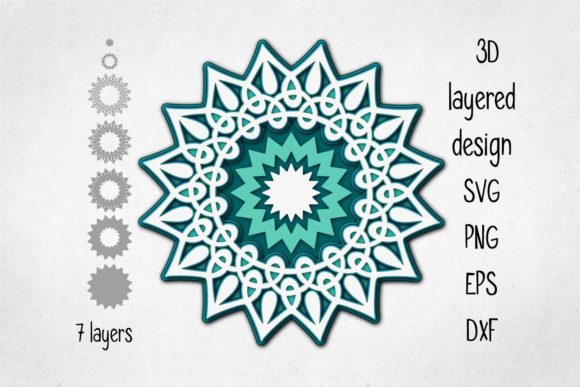
The core concept behind the 3D multilayer design relies on the principle of parallax and depth perception. When a single image is sliced into multiple layers, it creates a visual illusion of movement and volume when viewed from different angles or under varying lighting conditions. The 3D Layered Sister Cut File specifically utilizes this technique, offering a complex pattern that can be assembled to create a striking focal point.
The architecture of this design is built on flexibility. It consists of several distinct layers that can be used individually or in combination. A creator might choose to assemble all the layers to achieve maximum depth and complexity, creating a grand statement piece. Alternatively, they may isolate just one or two layers to produce a more subtle, minimalist aesthetic. This modularity ensures that the same digital file can serve vastly different artistic visions depending on the desired outcome.
Color selection plays a pivotal role in enhancing the three-dimensional effect. Because each layer is physically separated, there are no restrictions on color combinations. One might opt for a monochromatic scheme where each layer is a different shade of the same hue to emphasize texture, or they might embrace high contrast by pairing bold colors against neutral backgrounds. The ability to mix materials further expands the creative horizon, allowing for a fusion of textures within a single project.
Material Versatility and Selection
One of the most compelling aspects of working with this type of digital cut file is the wide range of compatible materials. While paper is often the default choice for hobbyists, the structural integrity required for larger displays encourages the use of sturdier substrates. Recommended materials include card stock for lightweight indoor decor, wood for rustic or modern furniture accents, and plastic for durable outdoor applications.
For those seeking a premium finish, plywood and MDF (Medium Density Fiberboard) are excellent choices. These materials provide a solid base that holds its shape well, even when the layers are spaced apart. Wood adds warmth and natural grain to the design, while MDF offers a smooth surface ideal for painting. Plastic, particularly acrylic, can introduce a sleek, contemporary look with a degree of translucency that interacts beautifully with backlighting.
When selecting a material, consider the intended environment. For home decor items placed in high-traffic areas or near windows, durability is key. In such cases, wood or thick plastic outperforms standard card stock. However, for temporary displays, classroom projects, or gift wrapping accents, lighter materials like card stock remain cost-effective and easy to work with. The 3D Layered Sister Cut File adapts to these needs, provided the cutting machine is capable of handling the specific thickness of the chosen medium.
Practical Applications Across Diverse Sectors
The utility of this design extends far beyond simple decoration. Its adaptability makes it suitable for a broad spectrum of use cases, ranging from personal hobbies to commercial products.
- Home and Wall Decor: The primary application is as a wall-mounted sculpture. By mounting the layers at varying distances from the wall, the design casts dynamic shadows that change throughout the day as sunlight moves across the room. This creates an ever-changing artwork without requiring new physical pieces.
- Gifting and Personalization: As a gift for friends and loved ones, this item offers a level of thoughtfulness that mass-produced goods cannot match. Customizing the color palette to match the recipient's favorite tones or using a material that reflects their personality (such as reclaimed wood for an eco-conscious friend) turns a simple object into a cherished keepsake.
- Educational Tools: Educators can utilize the 3D multilayer design to teach concepts in geometry, spatial reasoning, and engineering. Students can physically assemble the layers to understand how two-dimensional shapes combine to form three-dimensional structures.
- Business Branding: Small business owners can incorporate the design into trade show displays, product packaging, or retail signage. The depth added by the layers draws attention more effectively than flat signage, helping brands stand out in crowded environments.
Sizing Considerations and Structural Integrity
Size is a critical factor when bringing digital designs into the physical world. The 3D Layered Sister Cut File is optimized for projects over 8 inches (20 cm) at the widest point. This minimum size is not arbitrary; it is determined by the intricacy of the design elements. Larger dimensions allow the fine details of the layers to breathe and maintain their structural integrity.
While resizing is possible, caution must be exercised when scaling down. Reducing the design below the recommended threshold can cause thin elements to become fragile or difficult to cut cleanly. If a smaller version is absolutely necessary, creators should assess the thinnest lines in the SVG file. If these lines are less than a few millimeters, the resulting cutout may be too delicate to handle or may fail to hold its shape during assembly. Conversely, scaling up the design generally poses fewer risks, though it may require joining multiple sheets of material if the cutting bed of the machine is limited in size.
The relationship between size and material thickness is also important. Thinner materials like card stock work best at smaller scales, whereas thicker woods require larger dimensions to prevent the layers from becoming visually overwhelming or structurally unbalanced. Finding the right balance ensures that the final product looks intentional and professionally crafted.
File Formats and Technical Compatibility
To ensure seamless integration with various cutting machines and design software, the purchase includes a comprehensive ZIP folder containing four distinct file formats. Each format serves a specific purpose in the workflow, catering to different stages of production.
- SVG File: Scalable Vector Graphics is the industry standard for digital cutting. This file contains all the layers organized in a single document, making it easy to separate or group them in software like Cricut Design Space, Silhouette Studio, or Adobe Illustrator. It is the primary format for sending instructions to cutting plotters.
- PNG File: Provided with a transparent background at 300 dpi resolution, this raster format is ideal for printing previews, creating mockups, or using in graphic design software that requires bitmap images. It allows users to visualize the final design before committing to physical materials.
- EPS File: Encapsulated PostScript is a robust vector format widely used in professional printing and design workflows. It ensures high compatibility with advanced vector editing tools and maintains the quality of the lines regardless of zoom level.
- DXF File: Drawing Exchange Format is commonly supported by laser cutters and industrial CNC machines. If you plan to use a laser cutter rather than a blade plotter, this file format provides the precise path data needed for cutting and engraving processes.
Before beginning a project, it is essential to verify that your cutting machine is compatible with one of these file formats. Most modern hobbyist machines support SVG and DXF, while professional laser systems often prefer DXF or EPS. Ensuring compatibility prevents technical glitches and wasted materials during the setup phase.
Maximizing the Creative Workflow
Successfully executing a project with the 3D Layered Sister Cut File requires a strategic approach to assembly. The process begins with sorting the layers according to the order in which they will stack. Typically, the largest or background layer is placed first, followed by progressively smaller or more detailed layers on top.
Spacing is the next critical step. Using foam pads, small wooden blocks, or specialized spacers between layers creates the necessary depth. The distance between layers dictates the intensity of the shadows and the perceived depth of the image. Experimenting with different spacings can yield dramatically different results; wider gaps create a more dramatic, almost architectural look, while tighter spacing produces a softer, more integrated appearance.
Finishing touches can elevate the project further. Sanding the edges of wood layers, applying a clear coat to protect the surface, or adding adhesive backing to secure the layers permanently are all steps that contribute to a polished final product. Whether you are creating a single piece for yourself or producing a batch for sale, consistency in assembly and finishing is key to maintaining quality.
The 3D multilayer design represents a convergence of technology and art, empowering users to transform digital code into tangible beauty. By understanding the nuances of material selection, sizing constraints, and file compatibility, creators can fully leverage the potential of the 3D Layered Sister Cut File. Whether used to decorate a living space, inspire a classroom, or launch a new product line, this versatile tool invites endless experimentation and innovation.