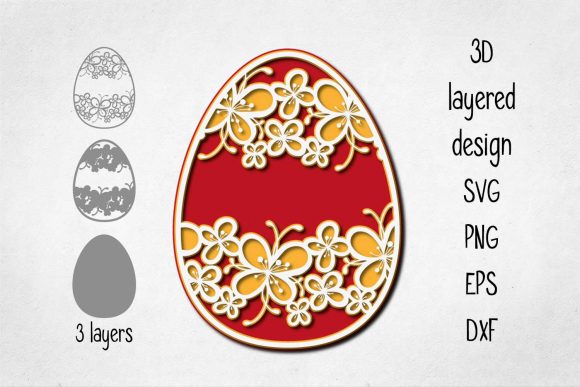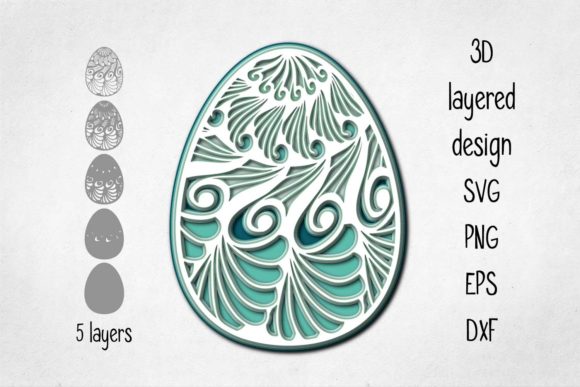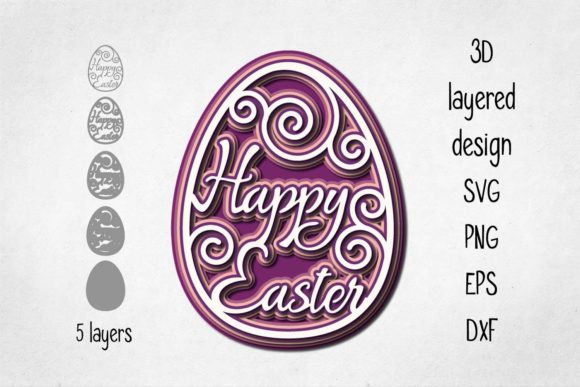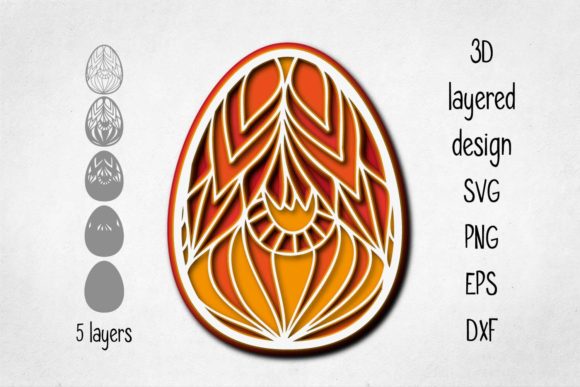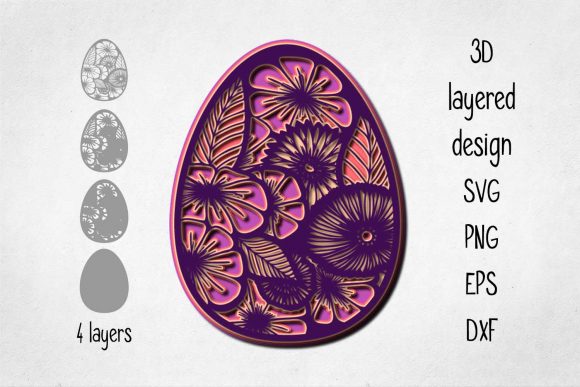
Easter Ornament - 3D Layered
In the dynamic world of visual communication, few elements capture attention quite like a Easter Ornament - 3D Layered design that offers depth and dimension. This asset represents more than just a seasonal graphic; it is a versatile tool for designers seeking to elevate their creative projects with sophisticated layering techniques. Whether you are crafting a brand identity or developing engaging social media graphics, understanding how to utilize multi-layered assets can significantly enhance your visual hierarchy and user engagement.
The Power of Multi-Layered Design
A Easter Ornament - 3D Layered concept relies on the strategic stacking of individual components to create a sense of three-dimensionality without requiring complex 3D modeling software. From a professional graphic design perspective, this approach allows for immense flexibility in customization. You have the freedom to use all layers simultaneously to achieve a full, voluminous look, or you can isolate one or two layers to create minimalist accents that fit specific branding guidelines.
This modularity is crucial for modern workflows. By separating the design into distinct layers, creators can experiment with different color palettes, materials, and textures. Imagine applying a wood grain texture to one layer while keeping another in a vibrant pastel hue, or perhaps using card stock aesthetics against a sleek plastic finish. The ability to mix materials like wood, plywood, MDF, or digital plastics opens up new avenues for tactile design inspiration, even within a purely digital context.
Scalability and Technical Considerations
One of the standout features of this design is its substantial size, measuring over 8 inches (20 cm) at the widest point. This generous scale ensures that the ornament remains impactful in large-format print designs, such as banners, posters, or packaging. However, scalability requires careful consideration. When resizing the design for smaller applications, designers must pay close attention to thin elements. Reducing the dimensions too drastically can compromise the structural integrity of fine details, making them difficult to cut or render clearly.
For optimal results, always evaluate the line weight and spacing before finalizing a reduced version. If the project demands extreme miniaturization, consider simplifying the layer count to ensure readability and maintain the intended aesthetic quality.
Practical Applications Across Industries
The versatility of a layered Easter ornament makes it an invaluable asset for various sectors, from digital marketing to physical product design. Its application extends far beyond simple decoration, serving as a foundational element for cohesive visual storytelling.
- Branding and Logo Design: Integrate the layered structure into holiday-specific brand campaigns to add depth and personality to your logo variations.
- Social Media Graphics: Use the PNG file with a transparent background to overlay festive elements on Instagram stories or Facebook posts, creating eye-catching content that stands out in crowded feeds.
- Packaging Design: Leverage the SVG and DXF files to create die-cut templates for premium gift boxes or product tags, adding a tactile, high-end feel to your merchandise.
- Web and UI Design: Incorporate subtle layer effects in web headers or landing pages to guide user attention and improve the overall user experience (UX).
- Editorial and Print: Utilize the EPS format for high-resolution print layouts in magazines or brochures, ensuring crisp edges and professional presentation.
File Formats and Workflow Integration
To ensure seamless integration into your existing design workflow, this resource is delivered in a comprehensive ZIP folder containing four essential file formats. Each format serves a specific purpose depending on your output needs:
- SVG File: Perfect for vector-based editing in Adobe Illustrator or Inkscape, allowing for infinite scaling and precise manipulation of individual layers.
- PNG File: A high-resolution (300 dpi) raster image with a transparent background, ideal for quick mockups, web graphics, and presentations where vector editing isn't required.
- EPS File: Compatible with older versions of design software and professional printing services, ensuring broad compatibility for commercial production.
- DXF File: Essential for CNC machines, laser cutters, and vinyl plotters, enabling you to translate digital designs into physical crafts using materials like wood, acrylic, or cardboard.
Before beginning your project, verify that your machine or software is compatible with the chosen file format. This step prevents technical bottlenecks and ensures that your creative vision is executed flawlessly.
Enhancing Visual Impact Through Thoughtful Design
Ultimately, the success of any design element lies in how well it supports the overall message. A Easter Ornament - 3D Layered asset should not just be visually appealing but also functionally effective. By carefully selecting color combinations and managing visual hierarchy, you can create compositions that resonate with your audience. Whether you are aiming for a modern aesthetic or a classic, timeless look, the ability to customize layers empowers you to align the design with your specific brand identity.
Investing in high-quality creative assets like this one allows designers to focus on strategy and storytelling rather than struggling with technical limitations. When typography, imagery, and graphical elements work in harmony, the result is a polished, professional presentation that elevates the entire project. By embracing these flexible design tools, you not only improve the aesthetic quality of your work but also strengthen the communication between your brand and your audience.