3D Layered Easter Ornament: A Versatile Creative Solution
The art of crafting has evolved significantly, moving beyond simple flat cutouts to immersive, dimensional experiences. At the forefront of this creative shift is the 3D Layered Easter Ornament, a design concept that transforms traditional holiday decorations into dynamic works of art. Whether you are a seasoned crafter looking for your next challenge or a business owner seeking unique inventory, understanding the nuances of 3D multilayer design is essential. This guide explores how these intricate designs function, their practical applications, and the specific considerations required to bring them to life.
Understanding the Concept of 3D Multilayer Design
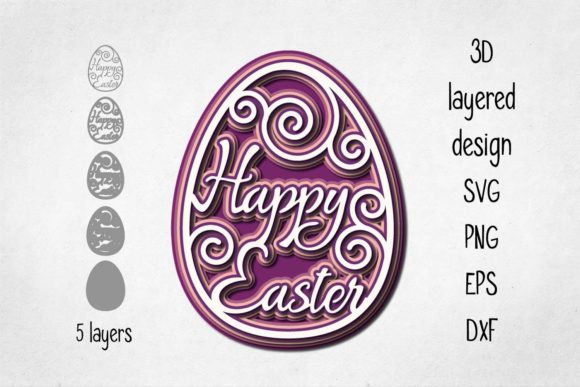
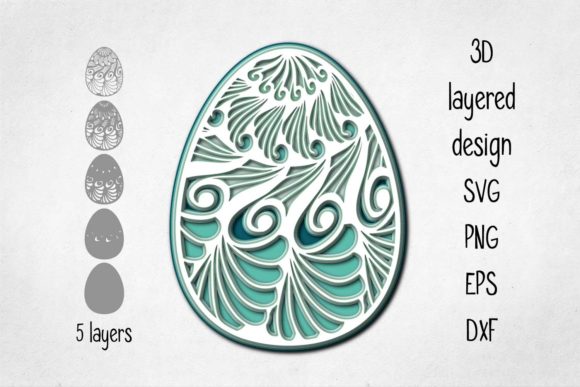
A 3D Layered Easter Ornament is not merely a single image; it is a collection of distinct components stacked to create depth and perspective. Unlike standard die-cut projects where all elements exist on a single plane, this design relies on the strategic separation of layers. The core philosophy is flexibility. You are not restricted to using every single layer provided in the file. Instead, you have the artistic license to assemble the entire structure for maximum impact or to isolate just two or three layers for a more subtle aesthetic.
This modularity is one of the most valuable features of the design. It allows creators to adapt the ornament to various themes, color palettes, and spatial constraints. For instance, if you prefer a pastel spring theme, you might select specific layers to highlight soft pinks and mint greens. If you aim for a rustic look, you might use fewer layers made from natural wood tones. The ability to mix and match layers ensures that no two ornaments need ever be exactly alike, fostering true creativity in home decor and gift-giving.
Material Versatility and Customization
One of the primary strengths of this design lies in its material independence. Because the digital files define the shape rather than the substance, you can fabricate the ornament using a wide array of mediums. Common choices include:
- Card Stock: Ideal for lightweight, colorful displays perfect for tabletop arrangements or hanging on interior doors.
- Wood and Plywood: Offers a sturdy, premium feel suitable for outdoor display (if sealed) or as a lasting keepsake.
- MDF (Medium Density Fiberboard): Provides a smooth surface that is excellent for painting and detailed finishing.
- Plastic and Acrylic: Creates a modern, translucent effect that catches light beautifully, adding a contemporary twist to the traditional Easter motif.
This versatility means that the same digital design can result in a completely different product depending on the material chosen. A card stock version might cost a few cents to produce, while an MDF version could command a higher price point due to the material costs and finishing time.
Size Considerations and Structural Integrity
When working with a 3D Layered Easter Ornament, scale plays a critical role in the final outcome. The original design specification indicates a width of over 8 inches (20 cm) at its widest point. This size is intentional, as it accommodates the intricate details inherent in 3D multilayer designs. The spacing between layers and the thickness of connecting bridges are calibrated for this dimension to ensure structural stability.
While resizing is possible, it requires careful consideration. Reducing the design to a miniature size, such as for a keychain or a small card embellishment, can compromise the integrity of thin elements. In smaller scales, delicate lines may become too fragile to cut accurately or too weak to hold the weight of the upper layers. Consequently, if you plan to downsize the project, you must evaluate whether the fine details will remain visible and durable. For best results, maintaining the original dimensions or scaling up slightly is recommended to preserve the design's complexity and durability.
File Formats and Technical Compatibility
To facilitate ease of use across different platforms, the 3D Layered Easter Ornament package is delivered as a comprehensive ZIP folder containing multiple file formats. This ensures compatibility regardless of the software or hardware you utilize. The package includes:
- SVG File: The industry standard for vector graphics. This file contains all layers grouped together, making it perfect for cutting machines like Cricut, Silhouette, and Brother ScanNCut. It allows for precise scaling without loss of quality.
- PNG File: A high-resolution raster image (300 dpi) with a transparent background. This is ideal for printing on paper, canvas, or other printable media, or for use in graphic design software like Adobe Photoshop or Canva.
- EPS File: An encapsulated PostScript format widely used by professional graphic designers and print shops. It supports complex vector paths and is excellent for large-scale printing or professional illustration work.
- DXF File: A drawing exchange format commonly used by laser cutters and CNC routers. This file ensures that industrial-grade machinery can interpret the layers correctly for automated production.
Before purchasing or downloading, it is crucial to verify that your equipment is compatible with at least one of these formats. Most modern hobbyist machines support SVG and DXF, while professional environments often rely on EPS and DXF. Ensuring compatibility upfront prevents technical frustrations during the creation process.
Practical Applications and Use Cases
The utility of a 3D Layered Easter Ornament extends far beyond a single use case. Its adaptability makes it a valuable asset for various scenarios, from personal hobbies to commercial ventures.
Home Decor and Wall Art
In the realm of home decor, these ornaments serve as striking focal points. When assembled fully, they cast interesting shadows on walls, creating a dynamic visual experience that changes with the angle of light. They can be mounted on mantels, above fireplaces, or as part of a gallery wall. By using different materials, such as stained wood or painted MDF, homeowners can match the ornament to existing furniture styles, ranging from farmhouse chic to modern minimalist.
Gifting and Personalization
As a gift, the 3D Layered Easter Ornament offers a level of thoughtfulness that mass-produced items cannot match. The ability to customize colors and layer combinations allows the giver to tailor the message to the recipient. For example, using a loved one's favorite colors or incorporating specific patterns can make the gift feel deeply personal. The physical depth of the object adds a tactile element that flat cards or prints lack, making it a memorable keepsake.
Commercial and Business Opportunities
For entrepreneurs and crafters selling handmade goods, this design presents a viable product line. The layered nature of the ornament increases its perceived value compared to single-layer items. Businesses can offer customization options, allowing customers to choose their preferred materials and color schemes. Additionally, the availability of DXF and SVG files streamlines the production process, enabling small businesses to scale their output efficiently without needing to redraw the design manually.
Evaluating Suitability for Your Projects
Deciding whether to incorporate a 3D Layered Easter Ornament into your workflow depends on several factors. First, consider your available workspace. Assembling multi-layered items often requires more room than flat cutting projects, as you need space to align layers and apply adhesive. Second, evaluate your time commitment. While the cutting process may be quick, the assembly phase—aligning spacers, gluing layers, and ensuring symmetry—requires patience and precision.
Furthermore, think about your target audience. If you are creating for children, lighter materials like card stock or foam board are safer and easier to handle. For adult collectors or home decorators, heavier materials like wood or acrylic provide a more substantial feel. Finally, assess your machine's capabilities. Ensure your cutter or printer can handle the intricacies of the design, particularly the thin bridges that connect the layers. Testing a single layer before committing to a full build is always a prudent step to confirm that the resolution and cut quality meet your standards.
Conclusion
The 3D Layered Easter Ornament represents a fusion of traditional craftsmanship and modern digital design. By offering flexibility in material, color, and assembly, it empowers creators to produce unique, high-quality decorations that stand out. Whether used to enhance a home's ambiance, gifted to a cherished friend, or sold as a boutique item, this design provides a robust foundation for creative expression. With its comprehensive file formats and scalable nature, it remains a versatile tool for anyone looking to add depth and dimension to their Easter celebrations.