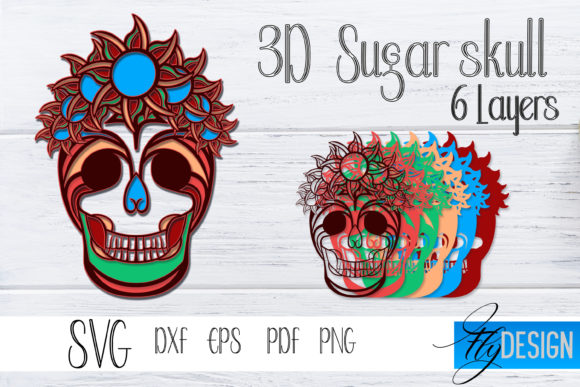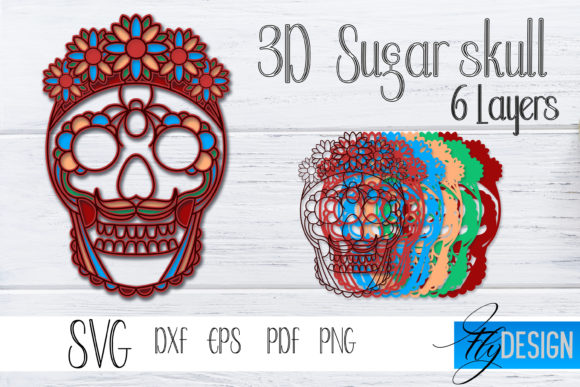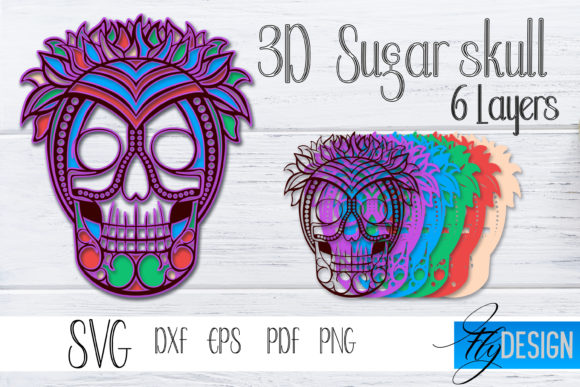
3d Layered SVG. Sugar Skull 4
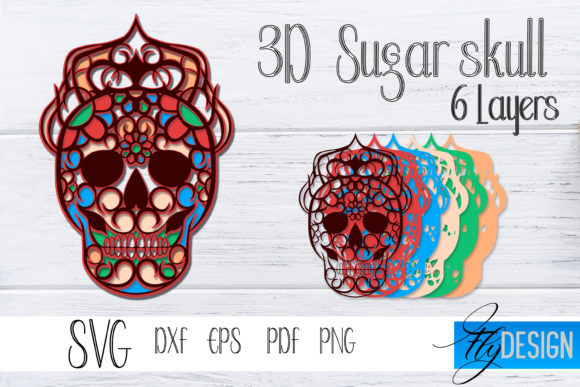
The intersection of digital precision and tactile craftsmanship has never been more vibrant than it is today. For creators, hobbyists, and small business owners alike, the ability to transform a simple digital file into a striking physical object is no longer just a novelty—it is a fundamental part of modern creative workflows. At the heart of this shift is the 3d Layered SVG. Sugar Skull 4, a design that exemplifies how layered vector graphics can elevate traditional paper cutting into immersive visual experiences. This specific design does not merely sit flat on a page; it commands depth, shadow, and dimension, turning a standard cut file into a centerpiece for home decor, event styling, or branded merchandise.
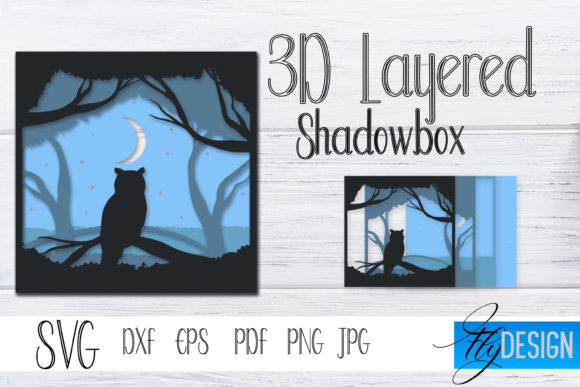
Understanding the mechanics behind these designs requires looking beyond the surface. A 3D Layered Shadowbox relies on the strategic separation of elements within a single image. By assigning different Z-axis heights to various layers, the final product gains a sense of realism and movement that flat graphics simply cannot achieve. The Sugar Skull 4 Layered SVG Design leverages this principle beautifully, breaking down the intricate details of the sugar skull motif into distinct planes. Each layer interacts with light and shadow differently, creating a dynamic interplay that catches the eye from multiple angles. This is particularly relevant in an era where consumers are seeking unique, handmade-quality items that tell a story, rather than mass-produced goods that blend into the background.
The Evolution of Digital Crafting
Gone are the days when crafting was limited to scissors, glue sticks, and pre-printed templates. The rise of affordable cutting machines like Cricut and Silhouette has democratized high-level design, allowing anyone with a computer to produce professional-grade results. However, with accessibility comes a need for sophistication. Users are no longer satisfied with basic shapes and simple text overlays. They crave complexity, texture, and depth. This demand has driven the evolution of the Multilayered SVG format, pushing designers to create files that are not just collections of paths, but carefully orchestrated compositions.
The 3d Layered Cut File represents a significant step forward in this evolution. It requires a different mindset from the crafter. Instead of viewing the design as a single entity, one must think in terms of assembly, spacing, and structural integrity. This process encourages a deeper engagement with the craft. It transforms the act of cutting from a passive task into an active construction project. For educators and mentors, this offers a valuable opportunity to teach spatial reasoning, patience, and technical proficiency. For entrepreneurs, it opens up new avenues for product differentiation, allowing them to offer premium items that justify higher price points due to their perceived value and labor intensity.
Technical Versatility and Workflow Integration
One of the most compelling aspects of the 3d Layered SVG. Sugar Skull 4 is its technical versatility. In a professional workflow, compatibility is king. A designer or maker needs tools that work seamlessly across different platforms and devices. This is why the inclusion of multiple file formats in the download package is crucial. The archive typically includes an SVG file for direct use in cutting software, ensuring that curves remain smooth and scalable without loss of quality. An EPS file provides robust support for vector editing in programs like Adobe Illustrator, allowing for further customization if needed. Meanwhile, a DXF file ensures compatibility with older or alternative cutting machine software, broadening the potential user base.
Furthermore, the inclusion of a PNG transparent file addresses the growing trend of hybrid creation methods. While laser cutters and vinyl plotters are popular, sublimation printing remains a dominant force in custom apparel and hard-surface decoration. The transparent PNG allows users to print the design directly onto substrates, integrating the layered aesthetic into fabric or coated materials. This dual capability—cutting and printing—maximizes the utility of the purchase. It means that a single investment yields multiple product lines, whether it be a wall-mounted shadowbox, a set of layered coasters, or a printed t-shirt featuring the intricate skull motif. For bloggers and content creators, this versatility provides ample material for tutorials, showcasing both the cutting process and the sublimation technique, thereby enriching their content strategy.
Design Trends: From Halloween to Year-Round Appeal
While the sugar skull motif is traditionally associated with Día de los Muertos (Day of the Dead), its aesthetic appeal transcends seasonal boundaries. The bold lines, floral accents, and symmetrical balance inherent in the Sugar Skull 4 design resonate with broader trends in bohemian, gothic, and eclectic interior design. Moreover, the concept of layering and shadow is frequently utilized in holiday decor, particularly during Christmas. The mention of a Christmas Lightbox in the context of such designs highlights a clever adaptation of the technology. By changing the color palette or adding backlighting, the same layered structure can evoke warmth and festivity, demonstrating the adaptability of well-designed vector files.
This adaptability speaks to a shift in consumer expectations. Buyers are increasingly looking for multi-use items that offer longevity beyond a single holiday. A Paper Cut Crafting Design that can transition from a spooky October display to a sophisticated year-round art piece holds greater value. It aligns with sustainable consumption habits, where customers prefer investing in fewer, higher-quality items that serve multiple purposes. For businesses, this means marketing should focus on the design’s versatility rather than just its thematic origin. Highlighting how the layers interact with light, how they can be framed, or how they complement other decor styles adds depth to the product description and connects better with informed buyers.
Practical Considerations for Creators and Businesses
For those integrating 3d Layered SVG. Sugar Skull 4 into their operations, understanding the practical implications is essential. First, hardware compatibility is paramount. As noted, it is vital to ensure that your cutting machine and software are compatible with the provided file types. Different machines have varying capabilities regarding layer thickness and nesting efficiency. Testing a small section before committing to a full production run can save time and material. Additionally, the choice of material significantly impacts the final outcome. Cardstock, chipboard, and acrylic each interact with the layered design differently. Thicker materials provide more dramatic shadows but require stronger adhesives and careful alignment techniques.
From a business perspective, packaging and presentation are key. Because the product involves multiple layers, clear instructions and perhaps a video tutorial can reduce customer friction and returns. Providing guidance on how to assemble the 3D SVG effectively enhances the user experience and builds trust. For freelancers and consultants, offering assembly services or pre-assembled units can differentiate their offerings in a crowded market. The PDF file included in the archive often serves as a useful reference for layout and scale, aiding in accurate planning and estimation of material costs.
Conclusion: Embracing Depth in Digital Design
The 3d Layered SVG. Sugar Skull 4 is more than just a digital asset; it is a tool for expression and innovation. It bridges the gap between the virtual and physical worlds, allowing creators to bring depth and dimension to their projects with ease. Whether used for personal enjoyment, educational purposes, or commercial gain, this design reflects the current trajectory of the crafting industry: towards greater complexity, versatility, and artistic merit. By leveraging the provided files—including the SVG, EPS, DXF, PNG, and PDF—users can explore new techniques, expand their product ranges, and engage with their audience on a deeper level.
As technology continues to evolve, so too will the possibilities for layered design. Staying informed about new formats, machine capabilities, and material innovations will keep creators ahead of the curve. For now, the Sugar Skull 4 stands as a testament to what can be achieved with thoughtful design and precise execution. It invites makers to look beyond the flat screen and engage with the tangible beauty of layered art. If you have questions about compatibility or assembly, reaching out for support is always a good practice. Following creators and shops for future releases ensures that you remain connected to the latest trends and tools in this exciting field. Thank you for visiting my shop, and may your crafting journey be filled with creativity and success.