3d Layered SVG. Sugar Skull 2
The intersection of digital precision and traditional craft has never been more vibrant than it is today, particularly within the realms of paper cutting, shadowboxing, and sublimation printing. At the heart of this creative explosion lies a specific design asset that bridges the gap between festive tradition and modern digital fabrication: 3d Layered SVG. Sugar Skull 2. This isn't just another decorative file; it is a sophisticated multilayered SVG designed to bring depth, dimension, and personality to physical objects. Whether you are a seasoned crafter looking to elevate your Cricut projects or a small business owner aiming to create unique holiday merchandise, understanding the mechanics and aesthetic appeal of this design is crucial for achieving professional results.
Visual Anatomy and Creative Potential
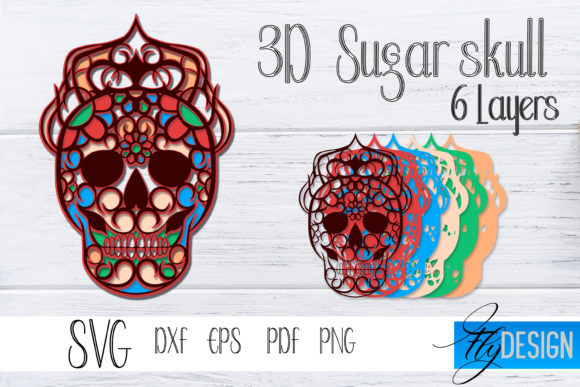
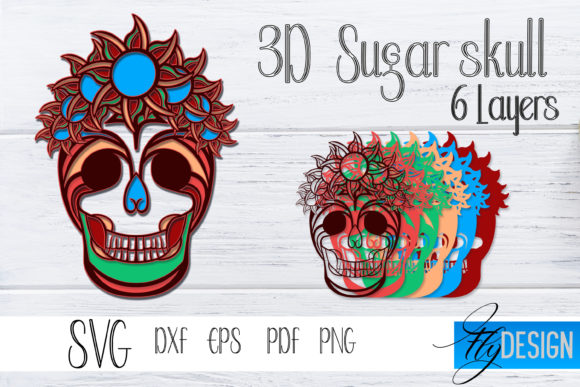
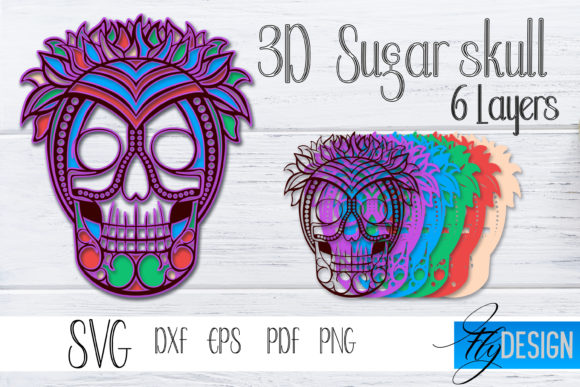
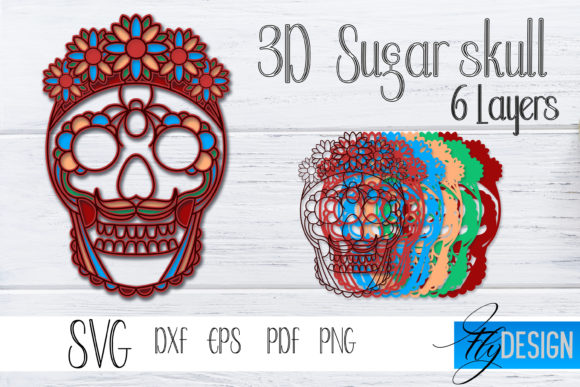
To appreciate the utility of 3d Layered SVG. Sugar Skull 2, one must first look at its visual composition. The design draws heavily from the rich cultural heritage of the "Día de los Muertos" (Day of the Dead) aesthetic but adapts it for contemporary layered crafting. Unlike flat vector graphics, this is a true 3D Layered Shadowbox concept. It relies on the principle of parallax and depth, where multiple layers of material—typically cardstock, vinyl, or fabric—are stacked to create a three-dimensional effect when viewed from an angle.
The visual characteristics of this piece are defined by intricate cut lines and distinct separation zones. The skull motif serves as the central anchor, surrounded by ornamental elements that suggest movement and texture. When assembled correctly, the overlapping layers create shadows and highlights that give the illusion of volume. This makes it exceptionally well-suited for Christmas Lightbox applications, where internal lighting can cast dramatic shadows through the various strata of the design. The result is a piece that feels alive, shifting in appearance depending on the viewer's perspective and the ambient light source.
This type of paper cut crafting design appeals to those who value tactile experiences. In an era dominated by screens, creating something with physical presence offers a tangible connection to art. The style is bold yet delicate, combining the structural integrity required for machine cutting with the artistic flair needed for high-end display pieces. It strikes a balance between spooky elegance and festive cheer, making it versatile enough for Halloween decor, Day of the Dead memorials, or even stylized Christmas ornaments if the color palette is adjusted accordingly.
Technical Specifications and Workflow Integration
For designers and entrepreneurs, the value of a digital product often lies in its versatility and ease of integration into existing workflows. The 3d Layered SVG. Sugar Skull 2 package is engineered to be compatible with the most popular cutting machines and software ecosystems, including Cricut Design Space and Silhouette Studio. However, compatibility is only half the equation; the quality of the source files determines the success of the final cut.
The included zip archive provides a comprehensive suite of formats to suit different production needs:
- SVG File: The primary vector format for cutting machines. It contains the layer separations necessary for assembling the 3D effect. Ensure your software supports grouped layers to maintain the stacking order.
- EPS File: Ideal for use in Adobe Illustrator or CorelDRAW. This allows for further customization, such as resizing without loss of quality or modifying individual elements before sending them to the cutter.
- DXF File: A standard format for CAD and other engineering-focused software, useful if you need precise measurements for custom frames or enclosures.
- PNG Transparent File: Crucial for sublimation print projects. Since sublimation requires raster images with transparency to overlay designs onto substrates like mugs, shirts, or tote bags, this file ensures clean edges without unwanted white backgrounds.
- PDF File: Provides a visual guide for assembly and layering. It serves as a reference document to help users understand how the two-dimensional layers translate into a three-dimensional object.
When working with these files, it is imperative to check that your cutting machine and software are fully updated. Older versions of cutting software may struggle with complex layer grouping or nested paths, leading to misaligned cuts. Always perform a test cut on scrap material to verify blade depth and pressure settings, especially when using thicker cardstocks required for proper shadowbox depth.
Strategic Applications Across Industries
The application of 3d Layered SVG. Sugar Skull 2 extends far beyond simple hobbyist crafts. For brand strategists and marketers, this design represents a powerful tool for creating memorable physical touchpoints. Consider the potential for packaging design during the holiday season. A luxury candle company could use a simplified version of this layered aesthetic on their box lids, creating an unboxing experience that feels premium and thoughtful. The depth adds a tactile element that plain printed boxes lack, enhancing perceived value.
In the realm of editorial design and social media graphics, the PNG file allows for quick mockups. Content creators can overlay the transparent skull design onto photos of finished products, providing instant visual context for their audience. This is particularly effective for Instagram or Pinterest campaigns where visual hierarchy drives engagement. The bold lines and recognizable iconography make it instantly readable even at smaller sizes, provided the contrast is managed well.
For commercial font and graphic asset markets, this design fills a niche for seasonal, culturally resonant imagery. While many designers focus on generic holiday motifs, incorporating culturally significant symbols like the sugar skull requires sensitivity and accuracy. This design respects the ornate nature of the original art form while simplifying it for modern manufacturing constraints. It works beautifully in modern typography contexts when paired with clean sans serif fonts for labels or tags, creating a striking contrast between the organic, detailed illustration and structured text.
Evaluating Fit and Execution Quality
Before integrating 3d Layered SVG. Sugar Skull 2 into a project, it is essential to evaluate its fit against your specific goals. Ask yourself whether the complexity of the layers aligns with your production capacity. High-detail layered designs require patience and precision. If you are producing items in bulk, consider whether the time investment in assembly justifies the added value in the final product.
Readability and visual hierarchy remain key concerns. In a 3D layered piece, the focal point should be clear. The central skull should dominate the visual field, with surrounding elements acting as supportive framing rather than competing distractions. When designing around this asset, ensure that any accompanying text does not clutter the negative space created by the layers. White space is critical in layered designs to allow the eye to rest and appreciate the depth.
Furthermore, consider the material choices. Cardstock is the standard, but experimenting with vellum for outer layers can add a ethereal glow, especially in lightbox applications. Metallic foils or glitter papers can enhance the festive aspect, turning a simple craft into a statement piece. The flexibility of the SVG format allows you to swap colors and materials digitally before committing to physical production, reducing waste and improving decision-making.
Ultimately, the success of using 3d Layered SVG. Sugar Skull 2 depends on respecting both the digital architecture of the file and the physical properties of the materials. By treating it as a serious design asset rather than a disposable clipart, creators can produce work that stands out in crowded marketplaces. Whether you are building a brand identity around artisanal goods or simply sharing your creativity with a community, this layered design offers a robust foundation for innovative expression. Take the time to master the layering process, experiment with lighting, and let the depth of the design speak for itself.