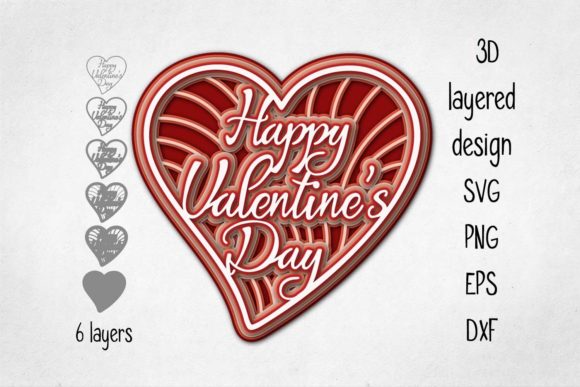
3D Layered Happy Valentine s Day
Valentine's Day often feels like a season of mass-produced sentiment, where store-bought cards and generic chocolates dominate the landscape. However, there is a distinct shift happening in how people express affection today. We are moving away from disposable items toward tangible, crafted experiences that carry weight and meaning. This is where 3D Layered Happy Valentine s Day designs come into play. They represent a bridge between digital creativity and physical craftsmanship, offering a versatile foundation for projects that stand out on shelves, walls, and gift tables.
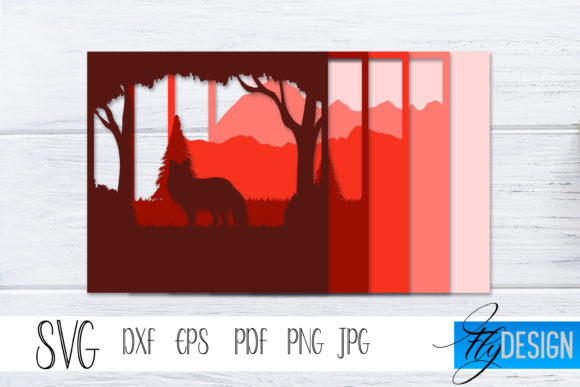
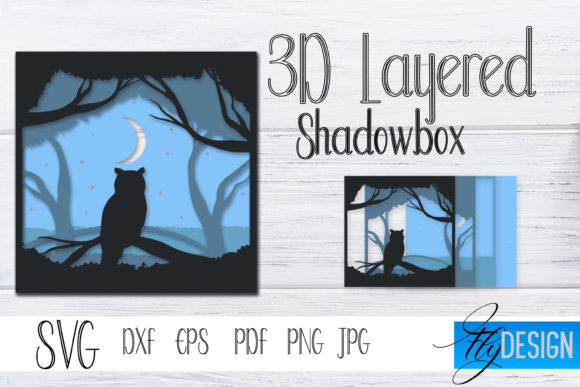
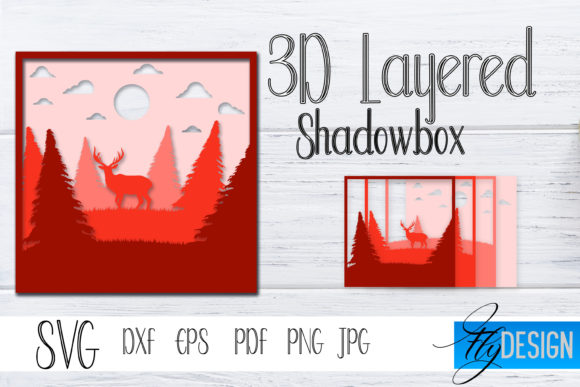
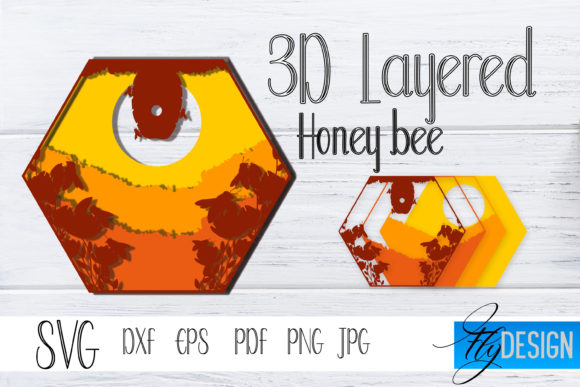
The core appeal of this design lies in its depth. Unlike flat vector art that sits passively on a surface, a layered construction invites interaction with light and shadow. The visual pop created by stacking multiple elements transforms a simple greeting into a sculptural piece. Whether you are a seasoned maker or someone who just picked up a cutting machine for the first time, this multi-layered approach provides a structured yet flexible canvas. It allows you to control the narrative of the project through color choices, material textures, and the number of layers you decide to utilize.
Customization Through Material and Structure
One of the most practical advantages of this design is its adaptability to various materials. The concept of "layers" is not tied to a single medium; it is a structural principle that can be applied to almost anything your workshop offers. For a rustic, warm aesthetic that fits a farmhouse decor style, you might choose natural wood, plywood, or MDF. These materials bring an organic texture that softens the geometric precision of the cut lines.
Conversely, if you are aiming for a modern, sleek look suitable for a contemporary apartment or a boutique retail display, acrylic plastic or high-quality card stock works beautifully. Acrylic can be colored, frosted, or clear, allowing light to pass through the gaps between layers for a glowing effect. Card stock remains a favorite for quick turnaround projects, especially when using vibrant colors to create a bold contrast. You can mix and match these materials within a single project—for instance, using wood for the base layer and colorful card stock for the text—to add complexity without complicating the assembly process.
The design file itself is engineered for flexibility. You are not forced to use every single component provided. If a full-stack project seems too time-consuming or bulky for your specific space, you can simply select two or three key layers. Perhaps you want to highlight just the main typography and one decorative element, skipping the intricate background details. This modularity means the same digital file can result in a dozen different physical products, ranging from a minimalist desktop accent to a grand wall installation.
Practical Applications for Home and Business
The utility of 3D Layered Happy Valentine s Day extends far beyond a single holiday decoration. Its versatility makes it a valuable asset for creators looking to diversify their product offerings or homeowners seeking unique decor solutions.
- Home Decor: A large-scale version of this design, measuring over 8 inches (20 cm) at its widest point, serves as an excellent focal point. Mounting it on a living room wall creates a permanent reminder of love and warmth. Because the size is substantial, it holds its presence even in larger rooms, avoiding the feeling of being lost among other furniture.
- Gift Giving: Personalized gifts are always more impactful when they involve effort. A layered wooden sign, perhaps painted in a couple's favorite colors, tells a story of care. You can customize the color combination to match the recipient's interior style, ensuring the gift integrates seamlessly into their home rather than sitting on a shelf collecting dust.
- Small Business Products: For entrepreneurs and small business owners, this design is a goldmine. It can be adapted into wedding favors, party centerpieces, or seasonal inventory. The ability to resize the design (with caution) allows you to create a range of price points, from small keychains made of thin metal or acrylic to large wall hangings.
Navigating Technical Requirements and File Formats
To bring these ideas to life, you need the right tools and files. The package you receive is comprehensive, designed to ensure compatibility across different software ecosystems and cutting machines. Inside the ZIP folder, you will find four distinct file formats, each serving a specific purpose in the workflow.
The SVG file is your primary working document. It contains all the layers grouped together, making it easy to separate individual elements in design software like Silhouette Studio, Cricut Design Space, or Adobe Illustrator. This separation is crucial for assigning different colors or materials to specific parts of the design before cutting.
For those who prefer raster-based editing or need a preview image, the PNG file is included with a transparent background at 300 dpi. This high resolution ensures that any images used in marketing or social media will remain crisp. The EPS file is ideal for users working in professional vector software like CorelDRAW or Inkscape, offering robust editing capabilities for complex layouts. Finally, the DXF file is the standard format for many industrial and hobbyist CNC routers and laser cutters, ensuring that your machine can read the geometry accurately.
Before starting production, it is vital to verify that your machine is compatible with at least one of these formats. Most modern cutting plotters handle SVGs and DXFs natively, while laser cutters often require DXF or EPS. Understanding your hardware limitations early prevents frustration later in the process.
Important Considerations for Scaling
While resizing is a powerful feature, it comes with technical caveats. The original design is optimized for sizes over 8 inches (20 cm). When you reduce the dimensions significantly, you risk compromising the structural integrity of the piece. Thin elements, such as delicate script strokes or fine connecting bridges, may become too fragile to cut cleanly or may break during assembly. If you plan to make a smaller version, test the design on scrap material first to ensure the smallest details remain visible and durable.
Bringing Creative Vision to Reality
The journey from a digital file to a finished object is where true creativity happens. There is no single "correct" way to assemble this design. Some creators prefer to leave the raw edges of wood exposed for a natural look, while others sand them down and apply a glossy varnish. Color theory plays a significant role here; complementary colors can make the layers pop, while analogous colors create a harmonious, soothing gradient effect.
Whether you are creating a heartfelt gift for a loved one, a centerpiece for a community event, or a new product line for your online store, the 3D Layered Happy Valentine s Day design provides a solid foundation. It respects the maker's time by offering pre-organized layers while leaving ample room for personal interpretation. By balancing the technical specifications with artistic freedom, you can produce work that is not only visually striking but also deeply resonant with the spirit of the occasion.
In a world saturated with digital content, holding something real, tactile, and handmade is a rare luxury. This design empowers you to create that luxury for yourself and others. Take the file, choose your material, experiment with the layers, and let the depth of the design speak for the depth of your feelings.