3D Layered Floral Decoration: Transforming Simple Designs into Living Art
3D Layered Floral Decoration is more than just a digital file; it is a versatile toolkit for anyone looking to add depth, texture, and personality to their surroundings. At its core, this design concept relies on the principle of stacking multiple cut layers to create a dimensional effect that flat graphics simply cannot achieve. When you look at a finished piece, what you see is not just a flower, but a bloom with petals that seem to rise from the surface, casting subtle shadows and inviting touch. This technique bridges the gap between 2D digital art and tangible craftsmanship, offering endless possibilities for customization.
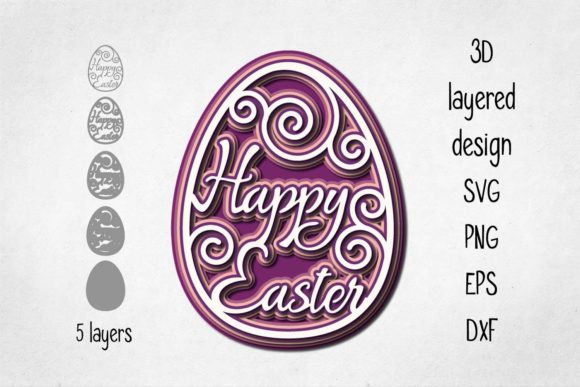
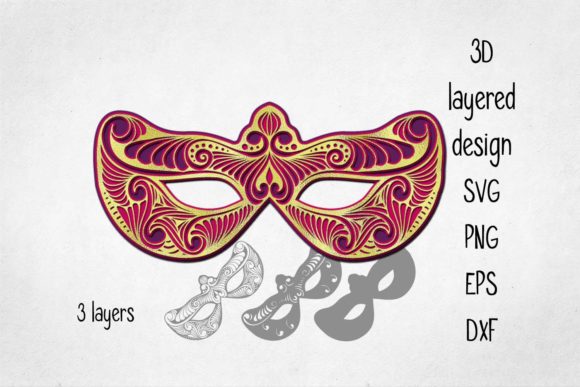
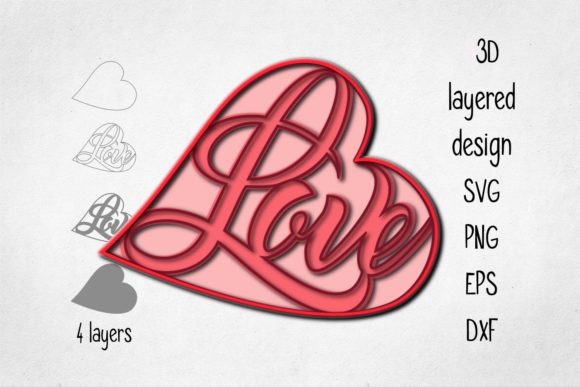
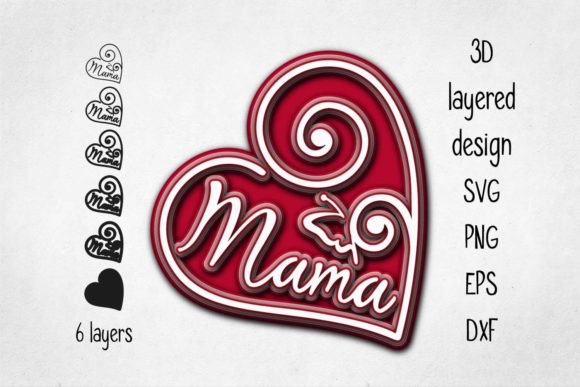
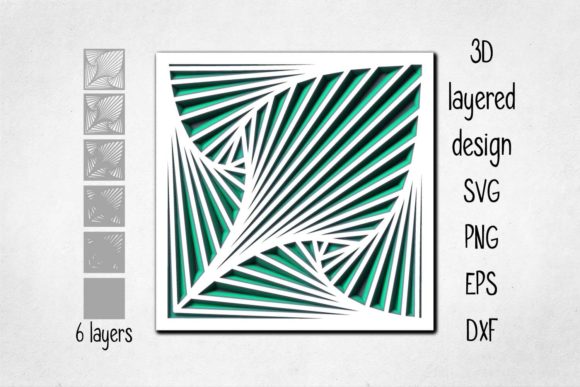
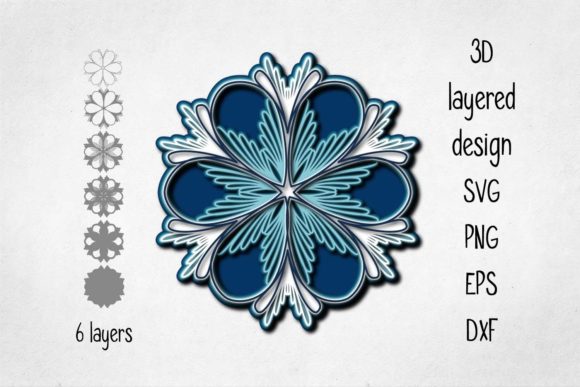
The beauty of this specific design lies in its modularity. The item consists of several distinct layers, each contributing to the final image's complexity. You are not forced to use every single component. In fact, one of the most practical aspects of this project is the ability to curate your own version. You might choose to assemble all the layers for a grand, statement-making centerpiece, or you might select only two or three layers to create a delicate, minimalist accent. This flexibility means the same design can serve as a bold focal point in a modern living room or a subtle detail on a handmade greeting card.
Material Choices That Define Your Project
One of the most exciting parts of working with 3D Layered Floral Decoration is the freedom to choose your materials. While many creators start with standard card stock because it is easy to handle and readily available, the design scales beautifully across various mediums. For a rustic, farmhouse aesthetic, consider using wood, plywood, or MDF. These materials bring a natural warmth and durability that plastic or paper simply cannot match. They are perfect for projects intended to last for years, such as permanent wall decor or outdoor signage.
On the other end of the spectrum, if you want something vibrant and lightweight, plastic sheets or colored acrylics offer a glossy finish that catches the light beautifully. For professional graphic designers or print shops, high-quality card stock remains the gold standard for gifts and event decorations due to its crisp edges and smooth finish. The key is to let the material dictate the mood of the piece. A floral arrangement made from reclaimed wood feels grounded and organic, while one made from neon-colored plastic feels playful and contemporary.
Real-World Applications for Every Creator
Who exactly benefits from this type of layered design? The answer is almost anyone with a creative spark. Let's look at how different people integrate these elements into their daily lives and businesses.
- Hobbyists and DIY Enthusiasts: Imagine a rainy Saturday afternoon where you decide to revamp a corner of your home office. Using 3D Layered Floral Decoration, you cut out a large floral motif from thick cardboard and mount it behind your desk. By selecting only the top three layers, you create a soft, textured background that adds visual interest without overwhelming the space. It transforms a plain white wall into a personalized gallery.
- Small Business Owners and Entrepreneurs: If you run a boutique shop, a bakery, or a wedding planning service, presentation matters. You can use these designs to create custom window displays or branded packaging inserts. A small business owner selling handmade candles might include a small, multi-layered floral tag with each jar. This small detail elevates the perceived value of the product and makes the unboxing experience memorable for customers.
- Educators and Parents: For teachers, this is an excellent resource for hands-on learning. Students can learn about geometry, layering, and color theory by assembling these flowers. A classroom project could involve students cutting out the layers themselves, fostering fine motor skills and creativity. Parents can also use this for birthday parties, creating themed backdrops or table centerpieces that are far more impressive than store-bought balloons.
- Bloggers and Content Creators: Visual content is king on social media. A blogger reviewing home decor products can create stunning photography setups using these 3D elements. The depth created by the layers provides natural shadows and highlights, making photos look professional even with simple lighting. It allows content creators to produce unique assets without needing expensive props.
Customization Through Color and Scale
Color combination is another area where 3D Layered Floral Decoration shines. Because the layers are separate, you can mix and match hues to fit any palette. Want a monochromatic look? Cut all layers from different shades of blue paper. Prefer a high-contrast style? Use black for the outline layers and bright yellow for the inner petals. This level of control ensures that the decoration fits seamlessly into existing interior design schemes or brand identities.
Scaling the design is equally straightforward, but it requires a strategic approach. You can resize this design to fit a massive banner or a tiny gift box. However, there is a critical consideration when reducing the size. As you make the design smaller, the thin connecting elements within the floral pattern may become too fragile to cut or assemble properly. If you plan to shrink the design significantly, you must check the thickness of the lines. What works perfectly at 12 inches might fall apart at 2 inches. Always test a small section before committing to a full-scale reduction to ensure the structural integrity remains intact.
What You Get in the Package
When you acquire this design, you receive a comprehensive package designed to work with almost any cutting machine or printing workflow. The download comes in a single ZIP folder containing four essential file formats, ensuring compatibility regardless of your equipment.
- 1 SVG File: This vector format contains all the layers grouped together. It is the ideal choice for cutting machines like Cricut or Silhouette, allowing you to edit individual layers easily within design software.
- 1 PNG File: Included with a transparent background at 300 dpi resolution, this raster file is perfect for digital printing, laser engraving previews, or direct placement in graphic design projects where vector editing isn't necessary.
- 1 EPS File: This industry-standard vector format is compatible with professional design tools like Adobe Illustrator and CorelDRAW. It preserves all the layer data for high-fidelity output.
- 1 DXF File: Designed for CAD software and laser cutting machines, this format ensures precise alignment for industrial or semi-industrial applications.
Before you begin your project, please ensure that your machine is compatible with one of these file formats. Most modern hobbyist cutters support SVG and DXF, while larger commercial lasers often prefer DXF or EPS. Having multiple options removes the barrier to entry, allowing you to start creating immediately.
Making the Right Choice Before You Start
While 3D Layered Floral Decoration offers immense flexibility, success depends on thoughtful planning. Consider the environment where the final piece will live. If it is going outdoors, avoid paper entirely and opt for treated wood or weather-resistant plastics. If it is for a child's room, ensure the edges are sanded smooth if using hard materials, or choose thicker card stock that won't tear easily during play.
Also, think about the assembly process. More layers mean more gluing and more time spent aligning the pieces. For quick projects, stick to the top two or three layers. For a showpiece, embrace the complexity. By understanding the relationship between the number of layers, the material chosen, and the intended scale, you can turn a simple digital download into a masterpiece that reflects your unique vision.
Whether you are decorating a nursery, launching a new product line, or simply enjoying a quiet crafting session, this design provides the foundation for something truly special. It invites you to experiment, to mix colors, to change materials, and ultimately, to express your creativity in a tangible, three-dimensional way.