3D Layered Geometric Pattern: Elevating Modern Creativity Through Depth and Dimension
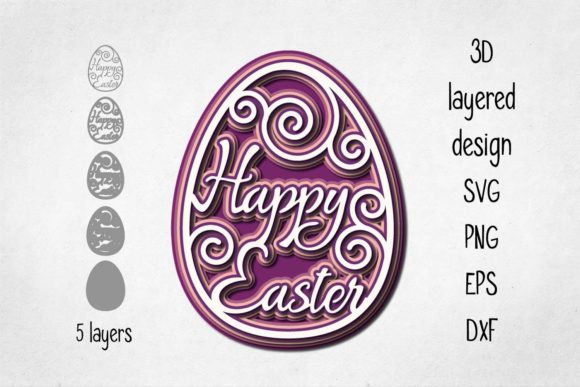
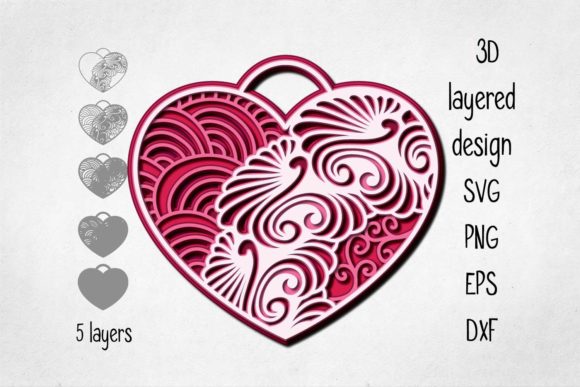
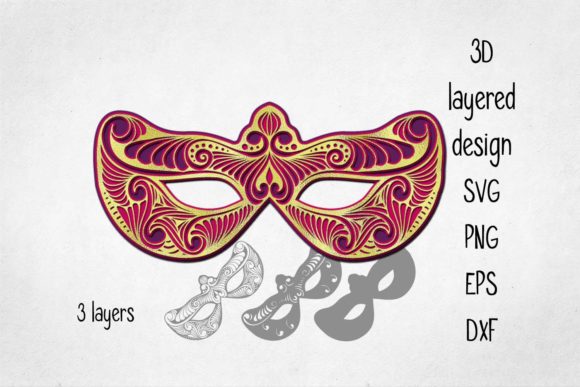
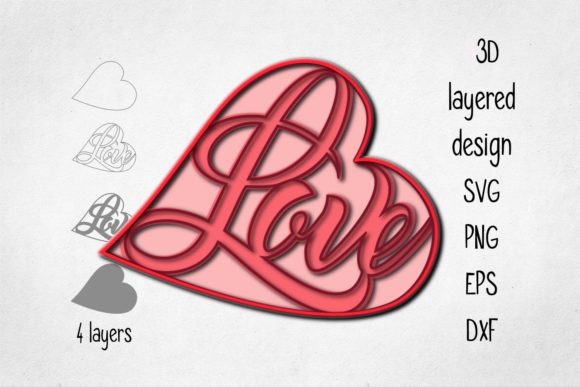
In an era where flat design has long dominated digital screens, a tangible shift is occurring in the physical world. The 3D layered geometric pattern represents more than just a visual trend; it is a convergence of architectural precision and artistic expression that allows creators to transform simple materials into complex, tactile experiences. This design philosophy moves beyond the two-dimensional plane, inviting users to engage with depth, shadow, and perspective. Whether you are a professional interior designer seeking unique wall accents or a hobbyist looking for the perfect handmade gift, this approach offers a versatile toolkit for bringing static concepts to life.
The Evolution of Visual Depth in Design
The resurgence of multi-layered designs is not accidental. As digital interfaces become increasingly saturated with high-resolution imagery, there is a growing consumer desire for objects that possess physical presence and texture. The 3D multilayer design taps into this psychological need for tangibility. By stacking distinct elements, designers can manipulate light and shadow to create an illusion of movement and volume on a flat surface. This technique has evolved from niche craft projects into a mainstream method for personalizing spaces and products.
Historically, layering was limited by manual cutting and assembly constraints. Today, computer-aided design (CAD) and laser cutting technology have democratized these processes. What once required weeks of drafting can now be executed with precision in hours. This technological leap means that intricate geometric shapes, which would be nearly impossible to cut by hand, are now accessible to anyone with a compatible machine. The result is a style that feels both retro-modern and futuristic, bridging the gap between mid-century modern aesthetics and contemporary digital art.
Practical Applications for Home and Business
The versatility of the 3D layered geometric pattern makes it an invaluable asset across various sectors. For homeowners and renters alike, wall decor is the most immediate application. Unlike traditional posters that lie flush against a wall, layered designs cast dynamic shadows that change throughout the day as sunlight shifts. This interplay of light adds a living quality to a room, making the space feel more curated and intentional.
- Home Decor: Create focal points in living rooms, nurseries, or home offices. The ability to customize color combinations allows the piece to either blend seamlessly with existing furniture or stand out as a bold statement piece.
- Commercial Spaces: Businesses often seek unique branding elements. A reception area featuring a large-scale 3D geometric installation can reinforce a company's commitment to innovation and attention to detail.
- Gifting: In a market flooded with mass-produced items, a custom-cut, multi-layered design serves as a thoughtful and memorable gift. It demonstrates effort and creativity, resonating deeply with friends and loved ones who appreciate artisanal touches.
The practical implications extend beyond aesthetics. These designs encourage a "maker" mindset, empowering individuals to participate in the creation of their environment. Instead of purchasing a finished product, users engage in the assembly process, fostering a deeper connection to the object they display.
Material Selection and Creative Flexibility
One of the most compelling aspects of this design category is the freedom regarding material choice. While card stock is an excellent starting point for beginners due to its affordability and ease of use, the design scales effectively to more durable substrates. Wood, plywood, MDF (Medium Density Fiberboard), and even plastics offer different textural qualities and longevity.
For outdoor installations or high-traffic areas, wood or weather-resistant plastic provides the necessary durability. Conversely, for indoor accent pieces, colored card stock allows for vibrant, multi-hued compositions without the weight of heavier materials. The recommendation to use materials like MDF or plywood also opens up possibilities for staining or painting after cutting, allowing for a finish that matches any interior palette.
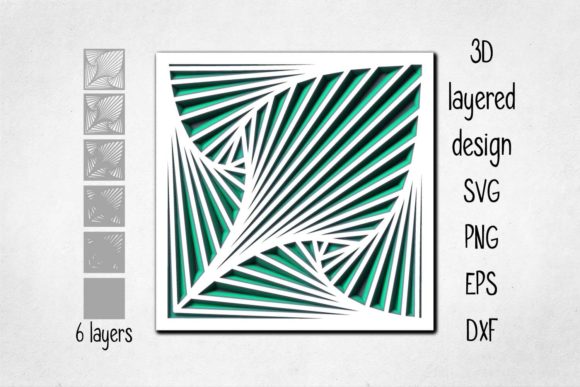
The modular nature of the design further enhances its utility. You are not bound to using every component provided. The system is designed so that you can utilize all layers for a dense, complex look, or select only one or two layers for a minimalist aesthetic. This flexibility ensures that the design adapts to your specific vision rather than forcing your vision to fit a rigid template.
Technical Considerations and Scalability
When integrating a 3D layered geometric pattern into your projects, understanding the technical constraints is crucial for success. The design is optimized for a size of over 8 inches (20 cm) at the widest point. This dimension is not arbitrary; it ensures that the fine details and thin elements of the geometry remain visible and structurally sound.
While resizing is possible, caution is advised when scaling down. Reducing the design below the recommended threshold can compromise the integrity of thin lines, causing them to break during cutting or assembly. For smaller projects, it is advisable to stick to larger formats or modify the design to thicken critical elements. Conversely, scaling up is generally safe and can produce impressive, large-scale installations, provided the material chosen can support the increased weight and surface area.
The workflow begins with receiving a comprehensive ZIP folder containing multiple file formats tailored to different machines and software needs:
- SVG File: Ideal for vector-based software like Adobe Illustrator or free alternatives. This format contains all layers grouped together, allowing for easy manipulation of individual elements before export.
- PNG File: A high-resolution raster image with a transparent background at 300 dpi. This is perfect for viewing proofs or for use in digital mockups and marketing materials.
- EPS File: Compatible with professional printing workflows and older vector software, ensuring compatibility across various graphic design ecosystems.
- DXF File: The standard format for CNC routers, laser cutters, and plotter machines. This ensures that the physical cutting instructions are accurate and ready for production.
It is essential to verify that your cutting machine or software is compatible with one of these formats before beginning. Most modern hobbyist machines accept SVG or DXF files directly, while professional shops may prefer EPS or DXF for batch processing.
Future Trends and User Expectations
As we look toward the future of creative practices, the demand for personalized, customizable content will continue to rise. Consumers are increasingly rejecting uniformity in favor of uniqueness. The 3D multilayer design aligns perfectly with this shift, offering a bridge between digital precision and analog craftsmanship. It caters to the "prosumer" demographic—individuals who want professional-grade results but require the flexibility to execute them themselves.
Furthermore, the sustainability angle cannot be overlooked. By choosing local materials and creating designs that last longer than disposable decor, users contribute to a more sustainable lifestyle. The ability to reassemble, repaint, or rearrange layers extends the lifecycle of the artwork, reducing waste associated with single-use decor trends.
For educators and mentors, these patterns serve as excellent teaching tools. They introduce students to concepts of spatial reasoning, geometry, and material science in a hands-on manner. For entrepreneurs, they represent a low-cost entry point into the custom decor market, allowing for rapid prototyping and testing of new product lines.
Maximizing Your Creative Potential
To truly leverage the power of the 3D layered geometric pattern, start by experimenting with contrast. Using contrasting colors between layers can enhance the perception of depth, making the geometric shapes pop. Alternatively, using monochromatic schemes with varying textures (such as matte vs. glossy finishes) can create a sophisticated, subtle effect.
Remember that the design is a starting point, not a final destination. The combination of layers is yours to curate. You might choose to leave some layers uncut to create negative space, or stack them at different angles to alter the shadow play. The key is to view the design as a flexible framework that supports your unique creative ideas.
Whether you are crafting a small gift for a friend or designing a large-scale installation for a corporate lobby, the principles of depth, precision, and customization remain central. By embracing the capabilities of modern fabrication tools and the timeless appeal of geometric forms, you can create works that are not only visually striking but also deeply meaningful. As you explore these possibilities, keep in mind the balance between ambition and practicality—respecting the limits of the materials and the scale of the project will ensure your final creation stands the test of time.