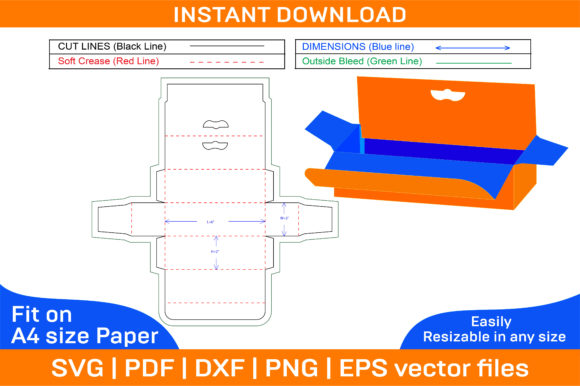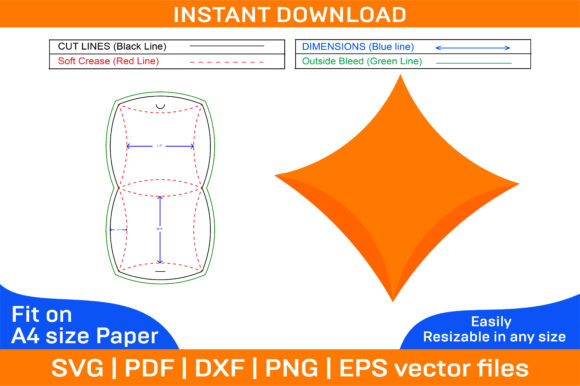
Pillow Box Packaging Dieline
When you are launching a new product, whether it is a small batch of handmade jewelry, a limited-edition art print, or a curated subscription box for hobbyists, the unboxing experience is often just as critical as the product itself. This is where a well-designed Gift Box or Pillow Box Packaging Dieline becomes an essential tool in your creative arsenal. Unlike standard rectangular cartons, the pillow box offers a distinct, elegant silhouette that suggests premium quality and thoughtful presentation. It is not merely a container; it is the first physical touchpoint between your brand and your customer, setting the tone for their entire relationship with what they have purchased.
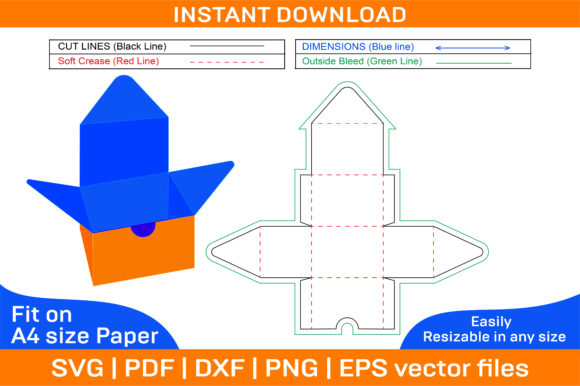
The visual characteristics of a pillow box are defined by its tapered ends and central bulge, creating a soft, inviting shape that feels organic rather than industrial. This form factor has long been associated with confectionery and luxury goods because it naturally draws the eye to the center of the package. By utilizing a professional 3D box design template, you can visualize exactly how your graphics will wrap around these curves before a single sheet of paper is cut. The appeal lies in its simplicity and versatility; it is clean enough for minimalist branding yet substantial enough to hold items securely, making it a favorite among designers who value both aesthetics and functionality.
Understanding the Technical Foundation
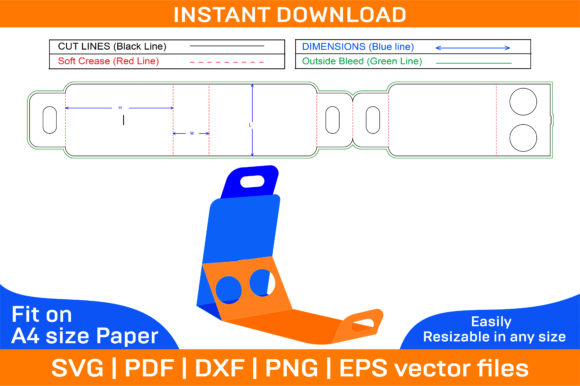
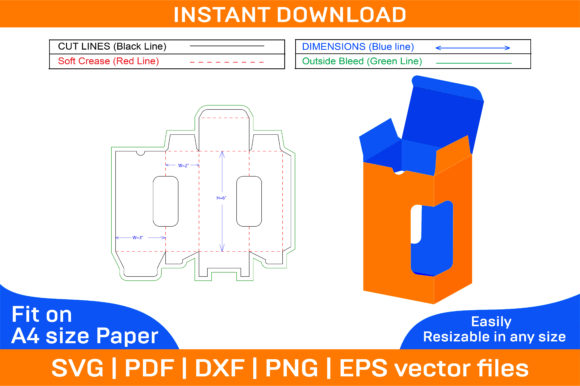
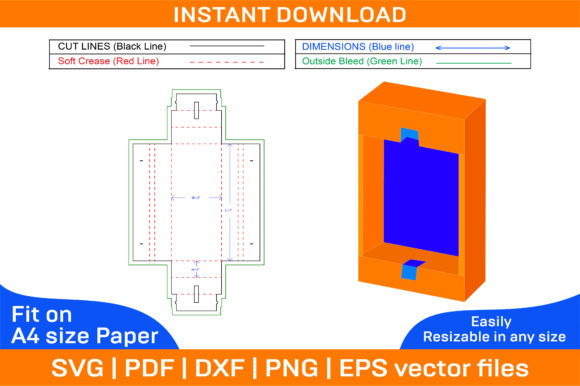
Creating a custom packaging solution requires more than just a good idea; it demands precise technical execution. A high-quality Gifting Box or Pillow Box Packaging Dieline serves as the blueprint for this process. Think of the dieline as the architectural plan for your box—it dictates where the folds occur, where the glue tabs are placed, and how the flat surfaces transform into a three-dimensional object. Without an accurate dieline, even the most beautiful artwork can result in a misaligned, difficult-to-assemble, or structurally unsound package.
The included archive provides a comprehensive set of files designed to bridge the gap between digital design and physical production. You receive vector-based formats including SVG, PDF, EPS, DXF, AI, and PNG. This variety ensures compatibility across a wide range of software ecosystems. For instance, if you are using Adobe Illustrator for intricate layout work, the AI and EPS files provide editable vectors. If you are preparing files for a commercial printer, the PDF offers reliable color management. Meanwhile, the SVG format is particularly valuable for crafters using cutting machines like Cricut or Silhouette Studio, allowing for precise die-cutting at home or in small workshops.
One of the most significant advantages of this template set is its vector nature. Because the files are vector-based, the quality remains crisp at any scale. While the templates are optimized for printing on A4 paper, the underlying geometry allows them to be resized proportionally without losing resolution. This scalability is crucial for packaging design, as it gives you the freedom to adjust dimensions slightly to fit products of varying sizes while maintaining structural integrity. The 300 dpi resolution of the raster assets further ensures that any embedded textures or detailed illustrations appear sharp and professional when printed.
Creative Freedom and Customization
A major pain point in DIY packaging is the limitation of pre-printed materials. You are often stuck with whatever colors or patterns the manufacturer chose. This template library solves that problem by providing both color-coded and blank templates. The color template acts as a guide, helping you understand which areas correspond to the exterior, interior, and adhesive flaps. However, the true power lies in the blank template, which invites you to print on any colored paper stock you prefer.
This flexibility supports a wide array of brand identities. If your brand is rooted in sustainability, you might choose a textured, recycled kraft paper and use earthy tones in your design. If you are targeting a luxury market, a thick, matte white cardstock with gold foil accents (applied after printing) can elevate the perceived value of the item inside. The ability to customize with your own colors and images means your packaging becomes a cohesive extension of your brand identity. You are not just slapping a logo on a generic box; you are crafting a bespoke vessel that reflects your specific aesthetic values.
For content creators and bloggers, this level of customization is vital for social media engagement. In the age of Instagram and TikTok, unboxing videos are a powerful marketing tool. A uniquely designed pillow box that stands out visually can encourage customers to share their purchases online, providing free organic promotion. The clean lines of the pillow box provide a perfect canvas for bold typography, vibrant photography, or subtle, sophisticated patterns. Whether you are designing for a wedding favor, a corporate gift, or a retail product, the blank template allows you to align the packaging perfectly with your theme.
Practical Application and Workflow
Integrating a Folding Box template into your workflow requires a strategic approach to ensure the final product meets your expectations. Start by evaluating the fit of your product within the proposed dimensions. Use the 3D preview capabilities available in many design tools to simulate how the box will look once assembled. Pay close attention to the bleed areas in the template; these are critical for ensuring that background colors or images extend fully to the edge of the paper without leaving unwanted white borders after trimming.
When selecting your design elements, consider the constraints of the medium. Paper packaging does not offer the same interactivity as a website, so your visual hierarchy must be immediate and clear. The front panel of the pillow box should feature your primary logo or product name prominently. Use the side panels for secondary information, such as ingredients, care instructions, or a brief brand story. The back panel is ideal for contact details or social media handles. By distributing information thoughtfully across the different faces of the box, you create a balanced composition that guides the viewer’s eye naturally.
Testing is another essential step. Before committing to a large print run, produce a single prototype. Assemble the box and insert your product to check for fit and stability. Examine the print quality under different lighting conditions to ensure colors render accurately on your chosen paper stock. This iterative process helps you catch potential issues early, saving time and money in the long run. The included file formats support this workflow seamlessly, allowing you to make adjustments in your preferred software—whether that is Photoshop for photo manipulation, Illustrator for vector graphics, or AutoCAD for precise engineering measurements.
Why This Template Stands Out
In a market saturated with basic packaging solutions, this Printable Box Template distinguishes itself through its attention to detail and user-centric design. It is not just a static image; it is a dynamic resource that adapts to your needs. The inclusion of multiple file types ensures that regardless of your technical proficiency or software preference, you have access to the tools needed to succeed. For the graphic designer, the editable vectors offer endless possibilities for refinement. For the small business owner, the ease of use means professional results without the need for expensive outsourcing.
Furthermore, the instant download availability means you can start your project immediately. There is no waiting for shipping or complex licensing negotiations. Once purchased, the files are yours to use for commercial projects, giving you the freedom to produce and sell packaged goods without restriction. This accessibility democratizes high-quality packaging design, allowing independent creators to compete with larger brands on a level playing field. By investing in a robust Paper Box template, you are investing in the professionalism and longevity of your brand. You are signaling to your customers that you care about every aspect of their experience, from the moment they see your product to the moment they open it. This attention to detail builds trust and loyalty, turning one-time buyers into repeat customers who appreciate the care put into every element of your offering.