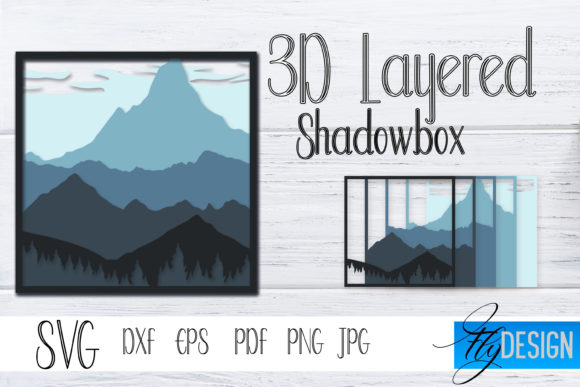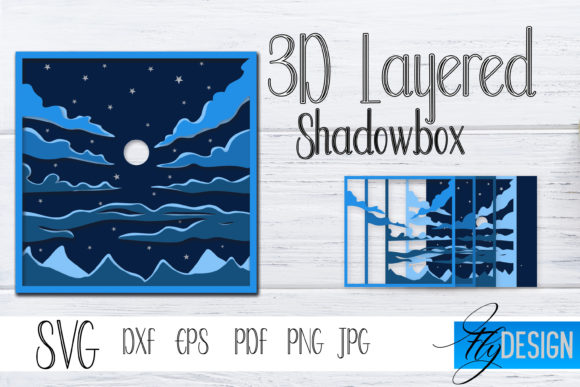
3d Layered SVG. Shadowbox Nature 1
Integrating complex visual assets into physical crafting or digital design workflows requires more than just downloading a file; it demands an understanding of layering logic, software compatibility, and material constraints. The 3d Layered SVG. Shadowbox Nature 1 is not merely a static image but a structured vector blueprint designed to create depth through separation. For professionals in the maker economy, small business owners, and digital creators, this asset serves as a foundational element for producing high-value physical goods, such as shadow boxes, layered wall art, and intricate paper crafts. Understanding how to process this specific design ensures that the transition from a digital zip archive to a tangible, multi-dimensional object is seamless and efficient.
Understanding the Architecture of 3D Layered Files
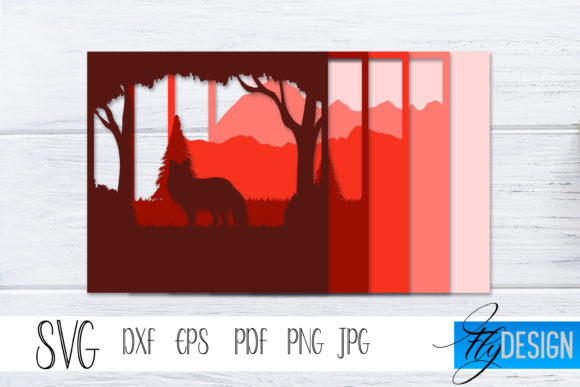
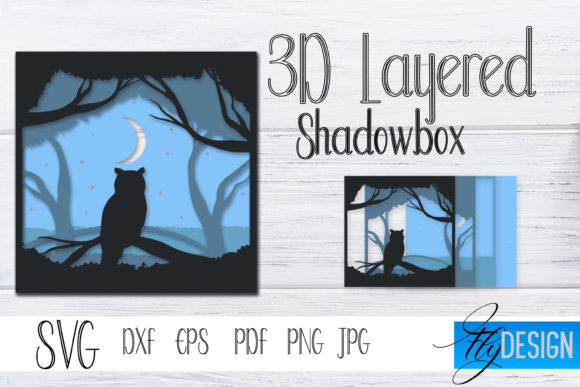
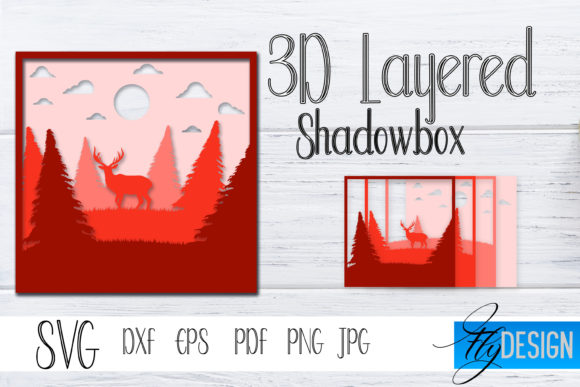
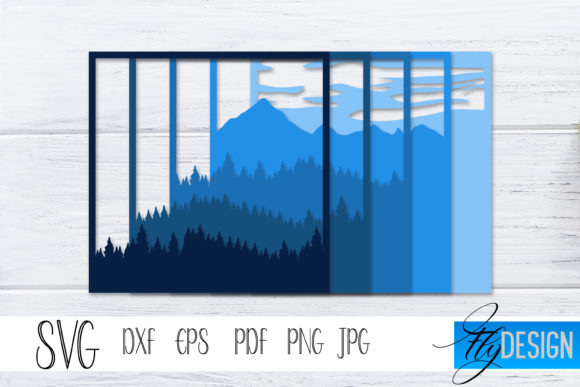
Unlike standard single-layer SVGs used for simple decals or basic cutouts, a 3D layered SVG operates on a Z-axis logic within a two-dimensional plane. Each distinct shape in the design represents a separate physical layer that will be stacked to create depth. The 3d Layered SVG. Shadowbox Nature 1 relies on this stratification to achieve its aesthetic appeal. When you open the file in design software, you are looking at a series of overlapping paths. The precision of these paths determines the final quality of the assembled piece. If the layers do not align correctly or if the spacing between layers is inconsistent, the illusion of depth collapses, resulting in a flat or disjointed appearance.
This structural complexity means that preparation is critical. Before sending any design to a cutting machine, you must verify that each layer is isolated on its own canvas or separated clearly within the document structure. This organization prevents accidental merging of elements during the export or cutting phase. For entrepreneurs producing these items for sale, maintaining a clean file structure is part of quality control. It allows for easy adjustments—such as scaling one specific leaf or branch without distorting the entire composition—and ensures consistency across multiple production runs.
File Compatibility and Software Workflow
The versatility of the 3d Layered SVG. Shadowbox Nature 1 lies in its comprehensive package format. The inclusion of multiple file types—SVG, EPS, DXF, PNG, and PDF—caters to different stages of the production pipeline and various software ecosystems. However, utilizing these files effectively requires matching the correct format to the correct tool.
- SVG (Scalable Vector Graphics): This is the primary format for most modern cutting machines like Cricut Design Space and Silhouette Studio. It preserves the vector data necessary for precise blade cuts. Ensure your software is updated to handle multi-layered documents without flattening them inadvertently.
- EPS (Encapsulated PostScript): Ideal for professional graphic designers using Adobe Illustrator or CorelDRAW. This format offers higher fidelity for complex curves and is often preferred when preparing designs for large-format printing or further vector manipulation before cutting.
- DXF (Drawing Exchange Format): A universal vector format compatible with a wide range of CAD and design applications. If you encounter compatibility issues with SVG in specific legacy software, DXF serves as a reliable fallback for transferring path data.
- PNG (Portable Network Graphics): Included specifically for sublimation printing. This transparent raster file allows you to print color gradients and detailed imagery onto substrates that cannot be cut, such as mugs, tumblers, or fabric panels. Note that this file is for sublimation only and should not be sent to a cutter.
- PDF (Portable Document Format): Useful for archiving, sharing preview images, or printing reference guides. It ensures the layout remains intact regardless of the viewing device.
When integrating these assets into your workflow, always perform a test cut on scrap material first. This step verifies that the software interprets the layer hierarchy correctly and that the cutting mat pressure and blade depth are appropriate for your chosen material thickness.
Material Selection and Physical Assembly
The success of a shadow box project depends heavily on the materials selected for each layer. The 3d Layered Cut File aspect of the design implies that each element needs to stand proud of the previous one. Common materials include chipboard, foam board, felt, and cardstock. Chipboard and foam board provide rigid support and excellent depth retention, making them ideal for larger pieces or those intended for long-term display. Cardstock works well for smaller, more delicate details but may require additional support structures if the piece is large.
Adhesion is another critical factor in the assembly process. Double-sided foam tape is the industry standard for creating consistent gaps between layers. It provides immediate tackiness while allowing for minor repositioning before the final bond sets. For heavier materials, hot glue or strong craft adhesive may be necessary. The key is to maintain uniform spacing across the entire design. Inconsistent gaps can cause shadows to fall unpredictably, disrupting the visual balance of the nature-themed elements in Shadowbox Nature 1.
Integration into Business and Creative Processes
For small business owners and freelancers, the 3d Layered SVG. Shadowbox Nature 1 represents a scalable product opportunity. Because the design is digital, the marginal cost of replication is near zero once the initial setup is complete. This makes it suitable for both on-demand production and bulk manufacturing. Educators and bloggers can also leverage this asset for workshops or tutorial content, demonstrating the principles of spatial design and digital fabrication.
In a marketing context, showcasing the layering process adds value to the final product. Videos or photos that reveal the individual layers being stacked engage audiences by highlighting the craftsmanship involved. This transparency builds trust and justifies premium pricing for handmade or semi-handmade goods. Furthermore, the nature theme of the design appeals to a broad demographic interested in home decor, biophilic design, and organic aesthetics, expanding the potential market reach.
Quality Control and Long-Term Usability
To ensure long-term usability and customer satisfaction, rigorous quality control measures should be implemented. Check for stray vectors or unjoined paths in the SVG file that could cause cutting errors. Verify that the scale of the design fits standard frame sizes or shadow box dimensions to minimize waste. Additionally, consider the durability of the materials. If the product is intended for outdoor use or high-traffic areas, select weather-resistant materials and UV-stable adhesives to prevent yellowing or warping over time.
Organizing your digital asset library is equally important. Store the original zip archive in a secure, backed-up location. Keep records of successful material combinations and cutting settings for future reference. This documentation streamlines the production process, reducing setup time and minimizing errors as you scale your operations. By treating the 3d Layered SVG. Shadowbox Nature 1 as a core component of a broader production system rather than an isolated file, you maximize its utility and commercial potential.
Finally, engagement with the creator community can enhance your results. Following updates from the designer allows you to access new releases and stay informed about best practices for handling layered designs. Whether you are a hobbyist exploring creative expression or a professional optimizing your supply chain, mastering the integration of 3D layered SVGs is a valuable skill in today’s digital crafting landscape. The 3d Layered SVG. Shadowbox Nature 1 provides the technical foundation; your execution determines the final impact.